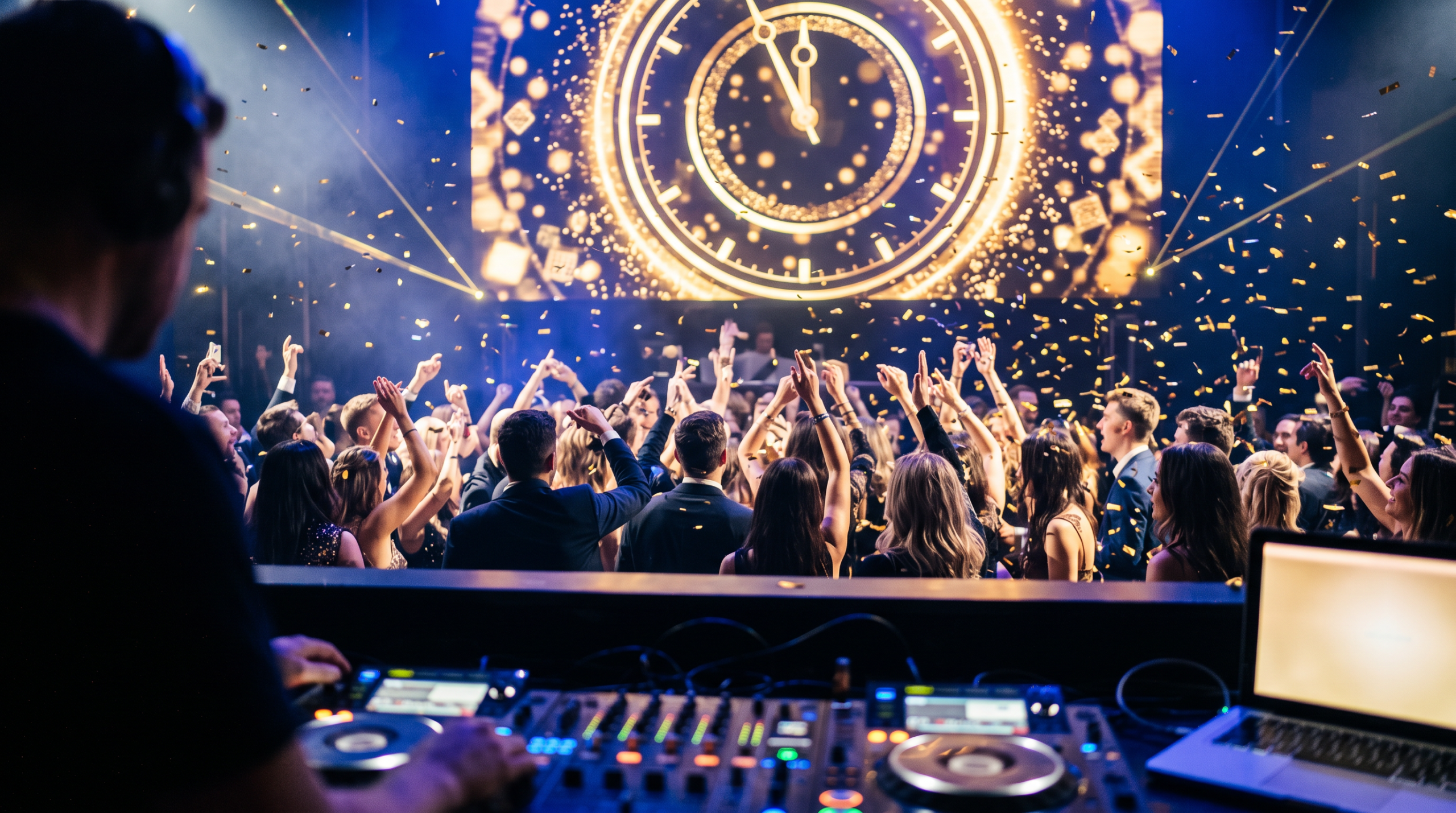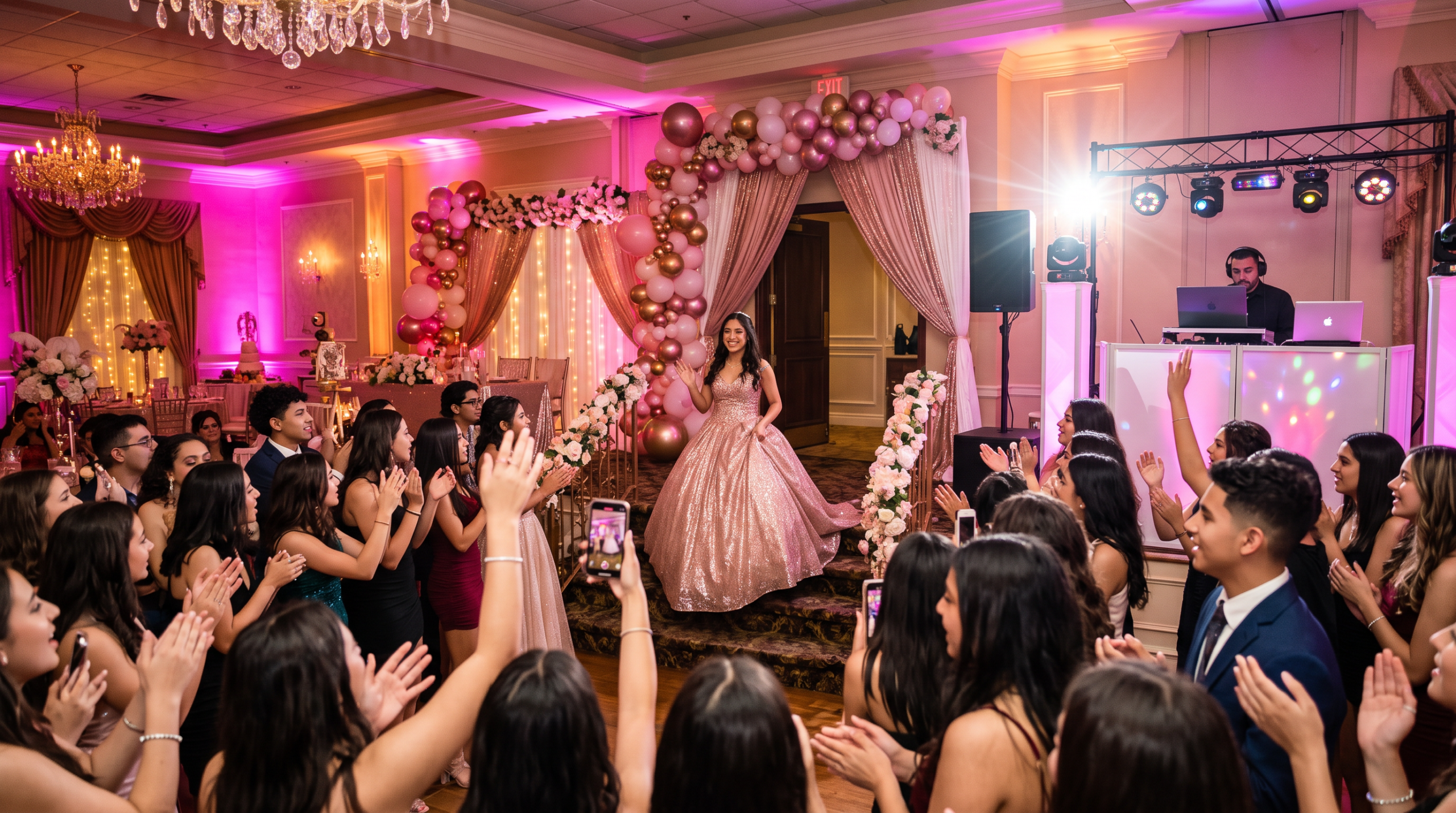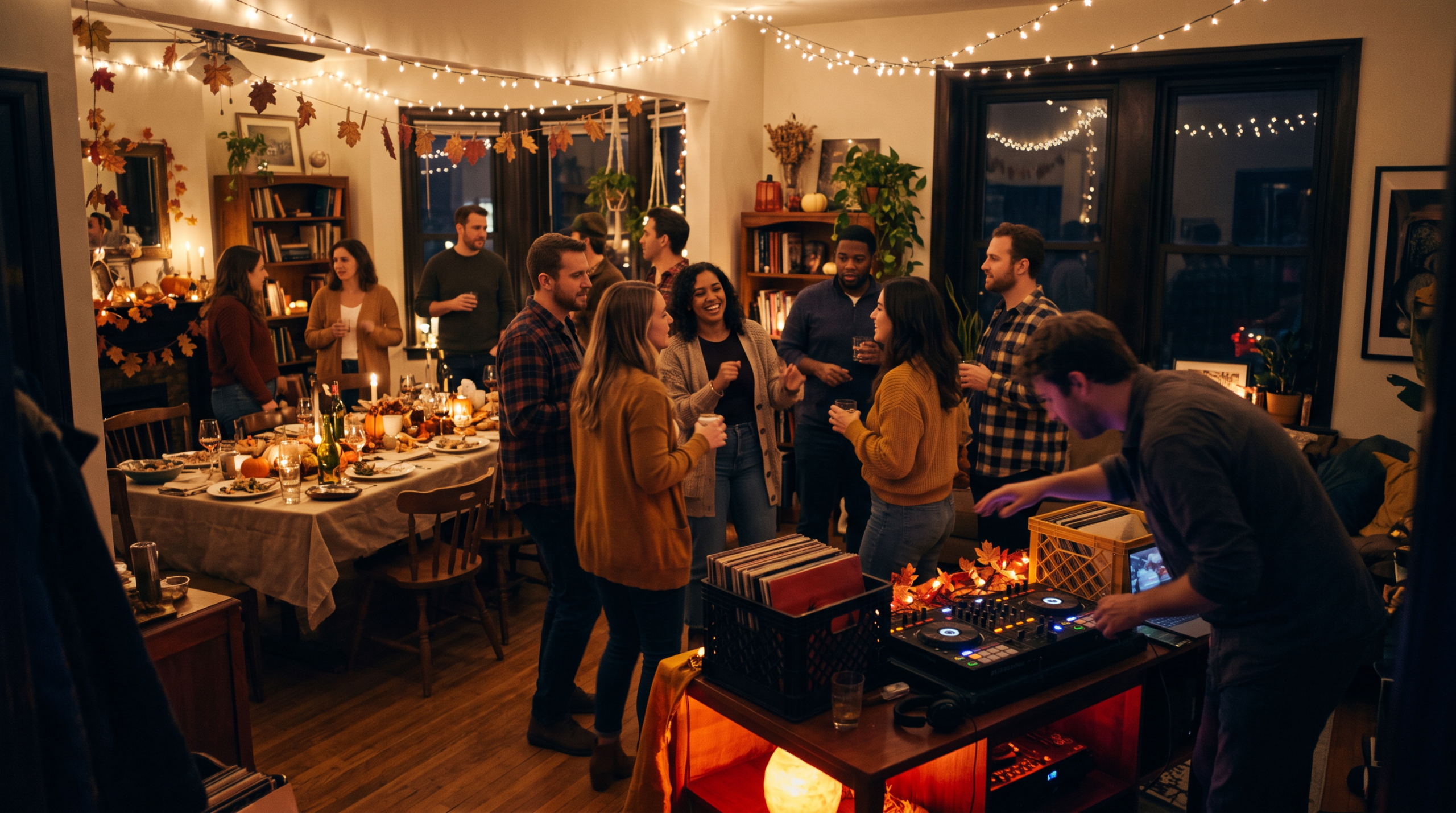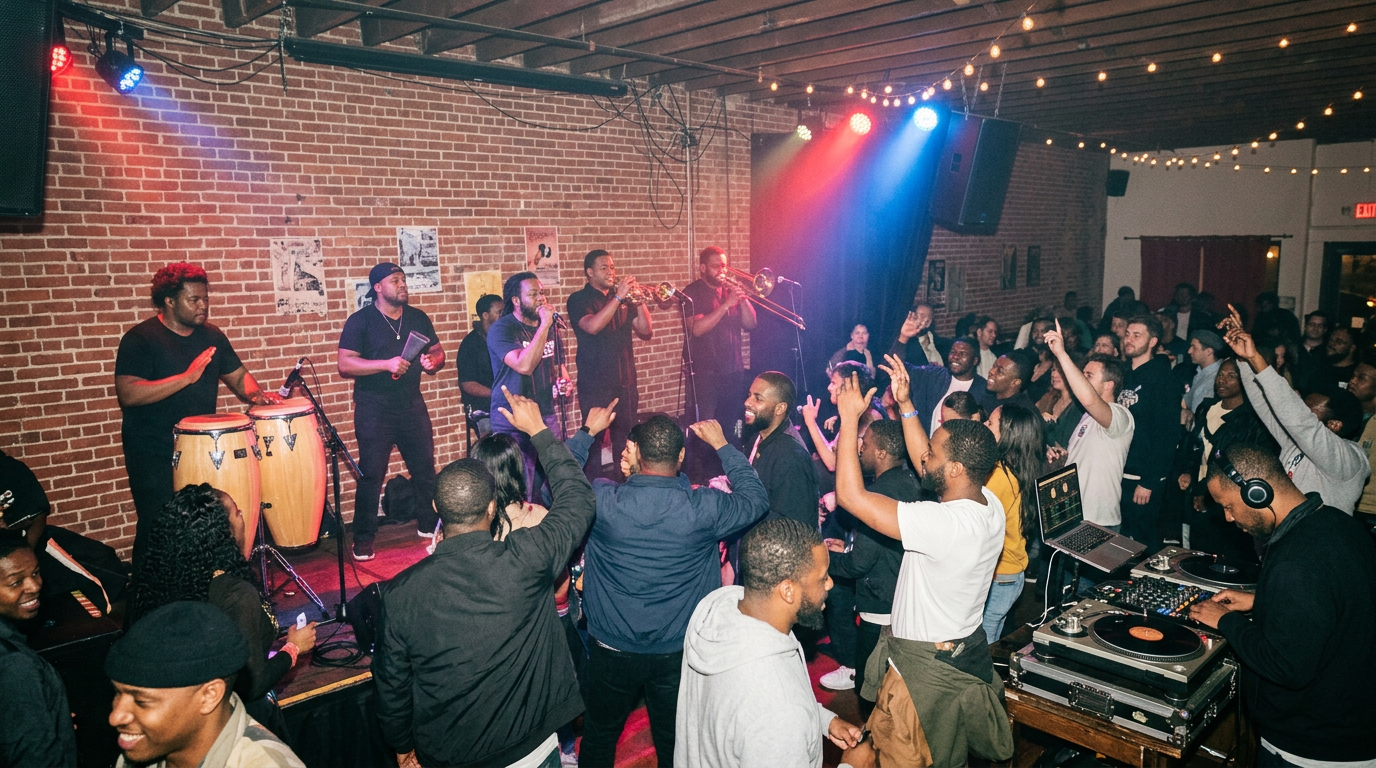
At a good party, the music never stops. One song fades into the next, the beat keeps going, and the dance floor stays full from the first song to the last. Guests at weddings and parties across DC, Maryland and Virginia rarely notice how that happens, and that is the point. Behind every smooth transition is a set of simple techniques and the tools that make them possible.
Here is what a DJ is actually doing behind the booth when one song turns into the next.
Tempo: why the beat never stumbles
Every song has a tempo, measured in beats per minute (BPM). A lot of hip-hop and R&B sits somewhere between about 80 and 100 BPM, while house music usually runs faster, around 120 to 128. If a DJ simply played one song after another, the beat would jump every time the tempo changed, and dancers would lose their step.
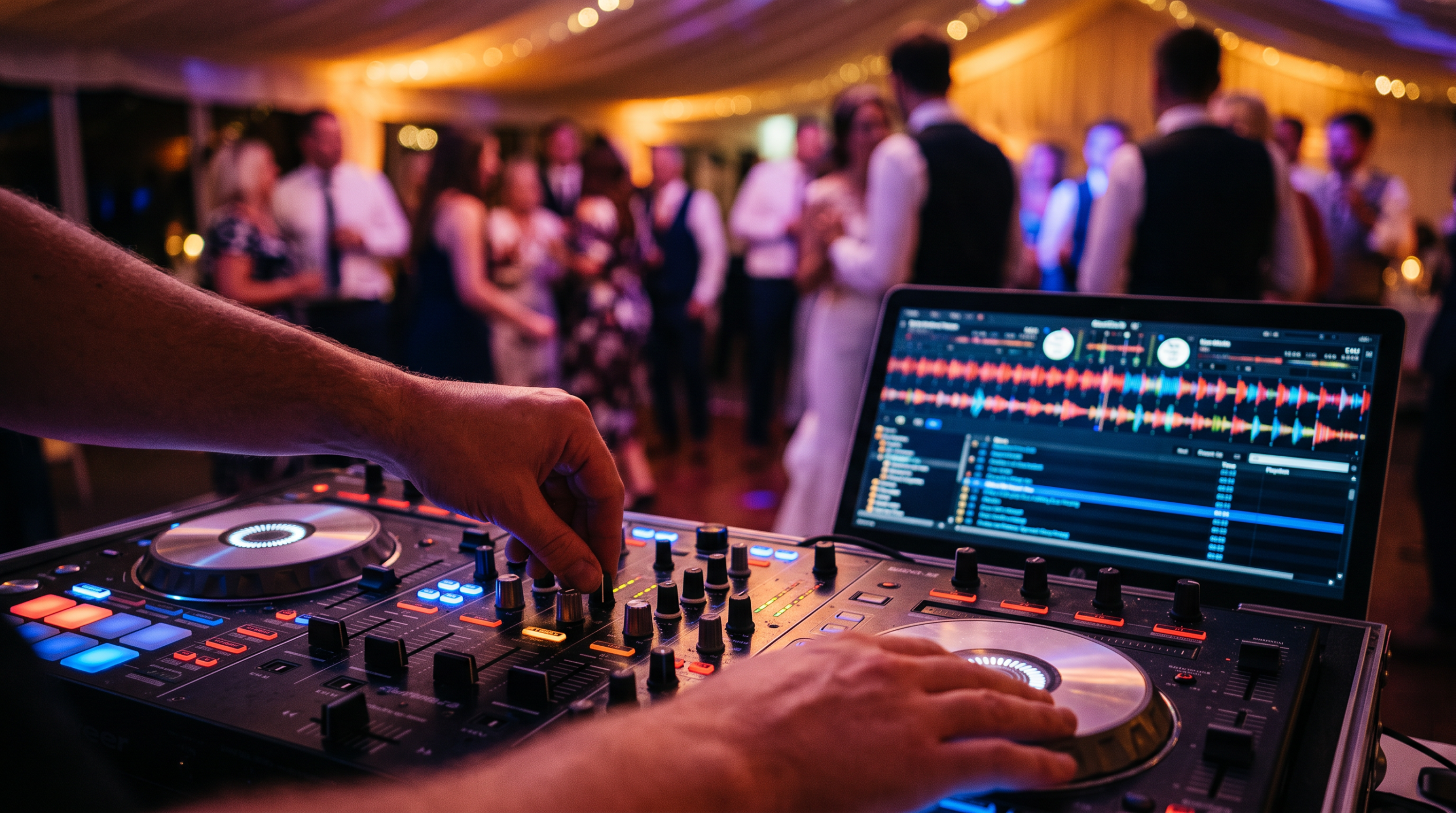
Beatmatching fixes that. The DJ adjusts the speed of the incoming song until its beat lines up with the one already playing, then keeps the two in phase so the kicks land together. Software such as Serato DJ Pro shows each song’s tempo and waveform on screen, which makes this faster and more precise. The ear still does the final check: a good DJ listens to the blend before the crowd ever hears it.
Key: why some transitions just sound right
Two songs can share the same tempo and still clash. That usually comes down to musical key. When the keys do not fit, the overlap sounds sour, even to guests who could not tell you why. Mixing in compatible keys, often called harmonic mixing, lets a DJ hold two songs together for longer and build a blend that feels like one piece of music.
Modern DJ software can detect a song’s key and display it next to the tempo, so the DJ can plan which songs will flow well together. It is one of the quiet reasons a set feels effortless.
Cue points and loops: ready for the big moments
Cue points are markers a DJ places inside a song: the first beat, the start of the chorus, the moment the bass drops. With one touch, the DJ can start a song exactly where it needs to start instead of waiting through a long intro. That matters most at the moments everyone is watching, like the wedding party entrance, the first dance, the cake cutting or the countdown at midnight.
Loops do the opposite job. If the toasts run long or the couple is still on the way to the floor, the DJ can repeat a short section of the instrumental so the music waits for the room, not the other way around. Our wedding reception music timeline shows where those moments usually fall in the night.
EQ: letting two songs share the speakers
During a blend, two songs play at once through the same speakers. If both basslines play at full strength, the low end turns muddy. That is why DJs use the EQ on the mixer, usually to bring the new song in with its bass turned down and then swap the bass from one track to the other at the right beat. On a professional sound system, that swap is what makes a transition hit hard instead of sounding crowded.
Changing genres without emptying the floor
DMV crowds are rarely one-genre crowds. A single wedding or birthday can call for throwback R&B, hip-hop, Afrobeats, line dances and, of course, go-go. Moving between styles with different tempos takes planning: a DJ may use a song with a clean intro as a bridge, change tempo gradually over a few tracks, or use a quick cut on a strong beat so the switch feels deliberate. The goal is the same every time: no gap, no stumble, and nobody walking off the floor.
The tools serve the room
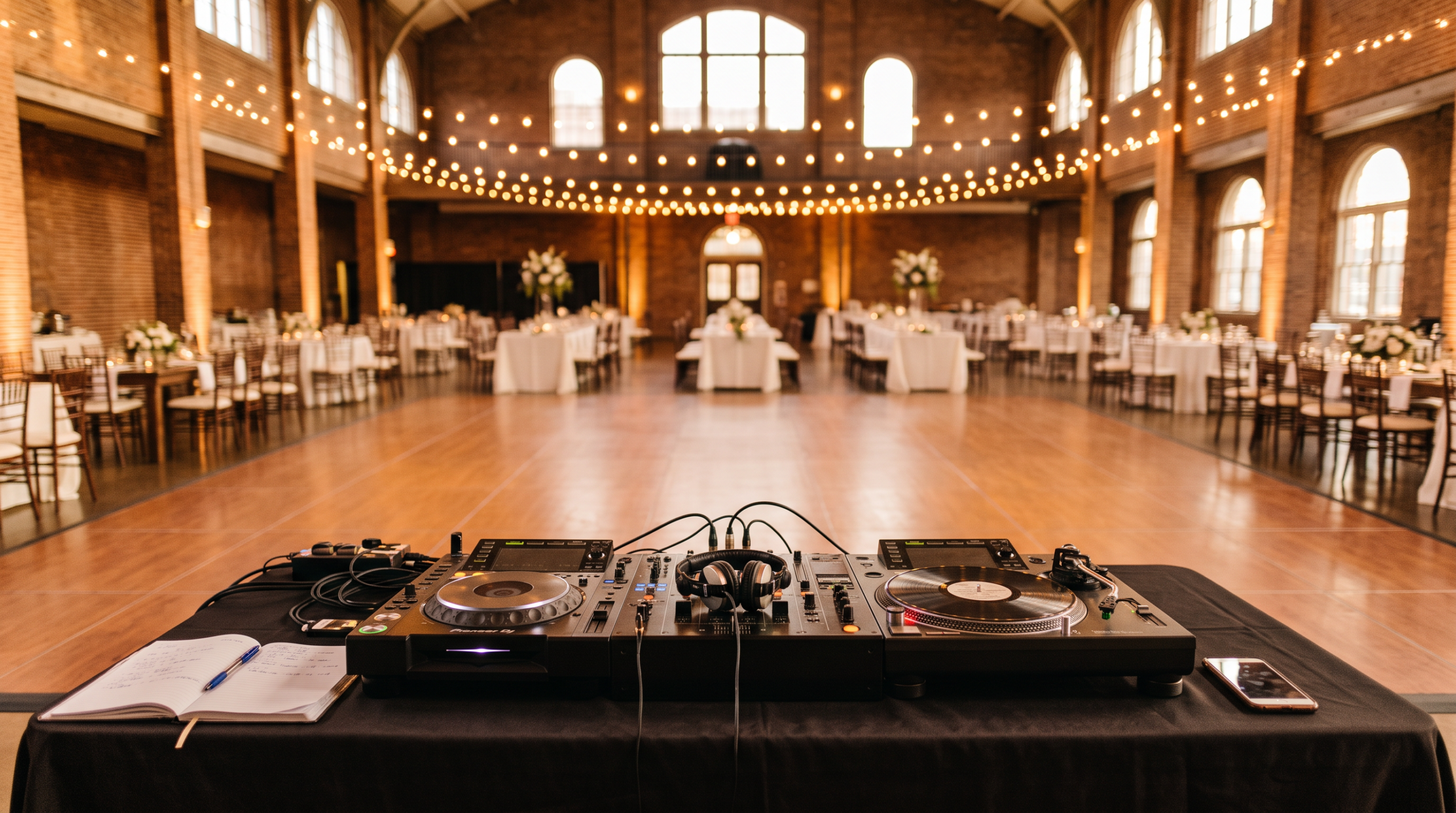
Deejay Staycool performs with Serato, Pioneer DJ and Rane gear and professional QSC and RCF sound. You can read more about that setup in What’s Behind the DJ Booth. But the gear is only half of it. Tempo, key and cue points tell a DJ which songs can work together. Watching the crowd tells the DJ which ones should. That judgment is what you are really hiring.
Want to learn to mix yourself?
Everything above is taught in our DJ lessons and classes in Germantown, Maryland. Private lessons run weekly, in person or online, and cover beatmatching and song mixing for complete beginners as well as more advanced skills. Group mixing classes move from the basics through phasing, mash-ups and loops, and there are classes in scratching and an introduction to beat making for ages 8 and up.
Book a DJ who blends it all for you
Planning a wedding, a birthday or a company party in DC, Maryland or Virginia? Tell us your date, venue and the music your guests love, and we will build a night that never misses a beat. Request a quote on our Booking page, or email us at contact@deejaystaycool.com.

Deejay Staycool
DJ for weddings, parties, corporate events and clubs · DC, Maryland, Virginia
Based in Germantown, MD, Deejay Staycool reads the room and keeps every age group on the dance floor, with Serato, Pioneer and Rane gear and pro QSC/RCF sound.